
Orange County Motorcycle Accident Trends and How Riders Can Protect Themselves
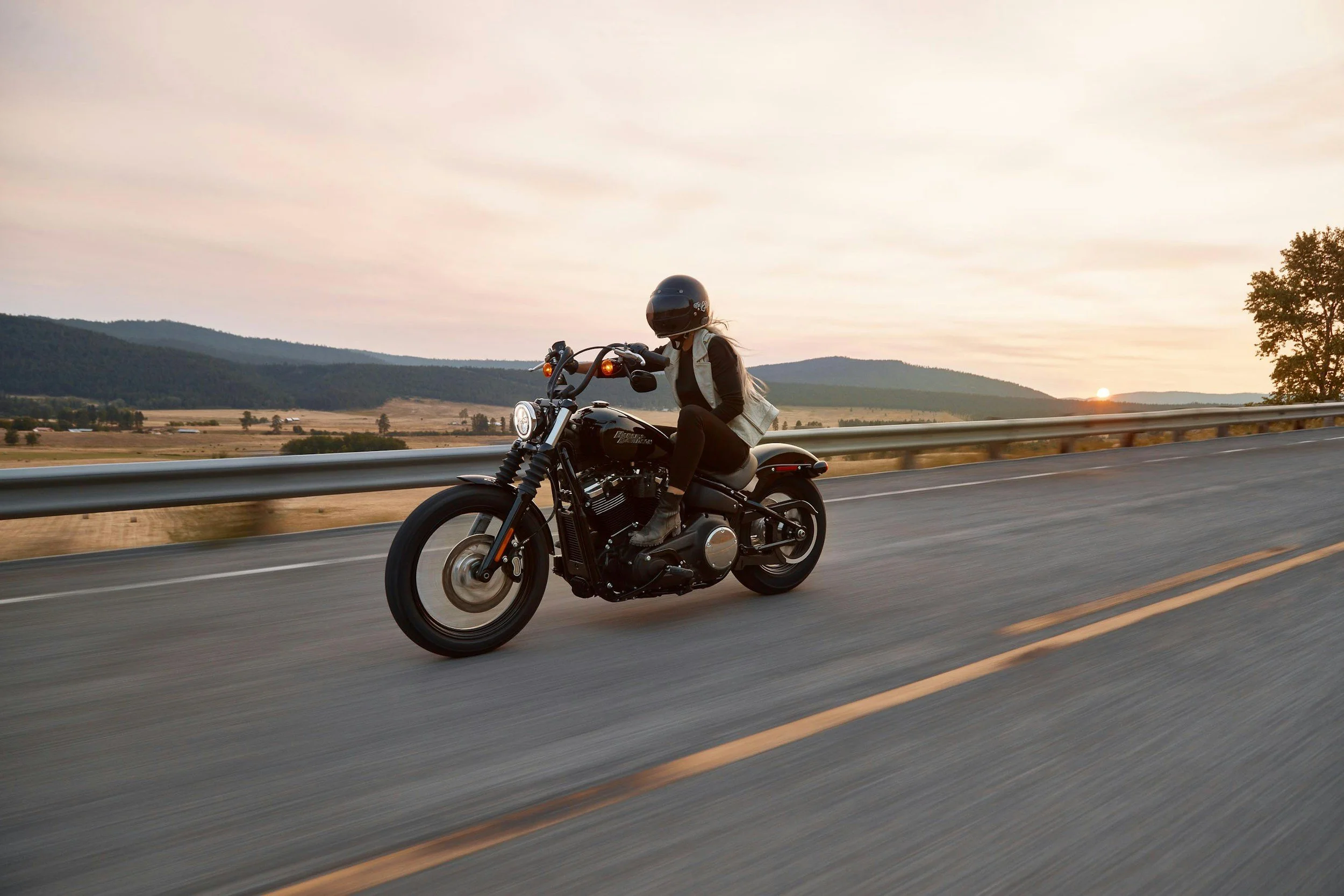
Riding a motorcycle in Orange County isn't getting any safer. The roads are more crowded than they were five years ago, drivers are more distracted than ever, and the infrastructure hasn't kept pace with population growth. If you ride in OC, you've probably noticed it yourself: more close calls, more aggressive drivers, more near-misses at intersections.
The reality is that Orange County sits in an uncomfortable middle ground when it comes to motorcycle safety. It's not the worst county in California for crashes, but it's far from the safest. When you factor in how compact the county is compared to sprawling places like Los Angeles or San Bernardino, the crash rate per mile of roadway tells a different story. More bikes are on the road year-round because of the weather. More tourists are driving unfamiliar routes. More commuters are rushing through traffic with their eyes on their phones instead of the road.
Understanding what's happening on these roads and what factors contribute to crashes gives riders information they can use. This isn't about living in fear or hanging up your helmet. It's about knowing the landscape you're riding in and making informed decisions about how to handle it. Whether you've been riding for twenty years or just got your license last month, the trends affecting Orange County motorcyclists are worth paying attention to.
The Reality of Motorcycle Accidents in Orange County
Motorcycle accidents in Orange County happen more often than most people realize. The county reports thousands of injury crashes annually, with hundreds resulting in fatalities. These aren't just numbers on a spreadsheet. They're riders who thought they'd make it home that day.
What stands out is how often these crashes happen in conditions that seem safe. Most motorcycle accidents don't occur during rainstorms or at night when visibility is poor. They happen on clear days, during daylight hours, when traffic is heavy and there are simply more bikes sharing the road with more cars. The risk increases not because conditions are dangerous, but because exposure is higher.
California as a whole has seen climbing numbers for motorcycle fatalities over recent years. Orange County contributes its share to that total. The fatality rate for motorcyclists compared to people in cars is dramatically higher, even though motorcycles make up a tiny fraction of registered vehicles and an even smaller fraction of total miles driven on the road.
The gap between how vulnerable motorcyclists are and how much space they take up in traffic creates the problem. A fender bender between two cars means exchanging insurance information. The same collision involving a motorcycle often means an ambulance ride.
What Causes Motorcycle Accidents in Orange County
Three main factors show up repeatedly when crashes get investigated and reported. These aren't surprises if you ride regularly, but seeing how consistently they appear in crash data makes them impossible to ignore.
Speed and Road Conditions
Speed is the leading crash factor for motorcycles in California. It shows up as the primary cause in roughly a third of fatal and serious injury crashes. And before you write this off as just riders doing triple digits on the freeway, understand that unsafe speed doesn't always mean high speed.
Taking a canyon turn too fast for your skill level counts. Passing cars on the 405 during rush hour without enough buffer space counts. Riding at the speed limit but too fast for wet pavement or loose gravel counts. Speed becomes unsafe when it doesn't leave room to react to what's ahead.
Younger riders, particularly those in their early twenties, show higher rates of speed-related fatal crashes. The combination of less experience and more confidence creates problems. But older riders aren't immune either. Overestimating your abilities or underestimating road conditions happens at any age.
Improper Turning and Right-of-Way Violations
This is the big one. This is where other drivers kill motorcyclists. Cars turning left in front of oncoming motorcycles account for a huge portion of all crashes between motorcycles and other vehicles. The driver either doesn't see the bike or sees it and misjudges its speed. By the time they realize their mistake, it's too late.
These crashes happen at intersections throughout Orange County. Major corridors like Harbor Boulevard, Beach Boulevard, Chapman Avenue, and MacArthur Boulevard all see regular motorcycle crashes. But it's not just busy roads. Residential intersections, shopping center entrances, parking lot exits—anywhere a car might turn left across traffic becomes a potential collision point.
The frustrating part is that the motorcyclist often isn't doing anything wrong. They're riding in their lane, at a reasonable speed, with their headlight on. The car just doesn't see them or doesn't process what they're seeing fast enough to stop.
Right-of-way violations at intersections cause similar problems. Cars pulling out from side streets or driveways without checking properly. Drivers who glance left, see nothing, and pull out without realizing a motorcycle was in their blind spot or approaching faster than they estimated.
Alcohol, Drugs, and Impairment
Impaired riding shows up in a significant portion of fatal motorcycle crashes. Riders with blood alcohol concentrations at or above the legal limit are overrepresented compared to impaired car drivers. Single-vehicle crashes, where a rider hits a fixed object or loses control, show even higher rates of alcohol involvement.
Night crashes are far more likely to involve alcohol than daytime crashes. Weekend nights in particular see higher rates of impaired riding. The pattern is predictable but the consequences are severe.
Drug impairment creates similar problems. Whether it's illegal drugs, prescription medications, or even over-the-counter substances that cause drowsiness, anything that affects reaction time, judgment, or coordination makes riding dangerous.
Where Orange County Crashes Happen
Certain locations consistently show higher crash rates for motorcyclists in OC. Knowing where these problem areas are doesn't mean avoiding them entirely, but it does mean paying extra attention when you're in high-risk zones.
State highways like the 5, 405, and the 91 see substantial numbers of motorcycle crashes. The 405 in particular cuts through the heart of Orange County and ranks as one of the busiest highways in the country. Heavy traffic, frequent lane changes, and significant speed differences between carpool lanes and regular lanes create constant hazards. Drivers who don't check blind spots before changing lanes are everywhere.
Surface streets account for roughly half of motorcycle accidents in the county. These crashes often happen at intersections, where the left-turn problem is most acute. Urban areas with dense traffic and lots of cross-streets create more opportunities for conflicts between motorcycles and other vehicles.
Suburban areas aren't necessarily safer. While they might have less traffic, they also have drivers who aren't expecting to see motorcycles and who might be less alert. Rural roads in the outer parts of the county can be particularly dangerous because higher speeds mean more severe outcomes when crashes do occur.
What Riders Can Do
The factors that cause crashes might be consistent, but that doesn't mean riders are powerless. There are concrete steps that reduce risk. None of them guarantee safety, but they shift the odds in your favor.
Training and Skill Development
Motorcycle safety courses teach techniques that can save your life. Emergency braking, swerving to avoid obstacles, controlling your bike in situations where things go wrong fast—these aren't skills you want to figure out on the fly when a car pulls out in front of you.
Beginning riders benefit from basic courses that cover fundamental control and safety principles. Experienced riders benefit from advanced courses that refine skills and teach new techniques. Riding for twenty years doesn't mean you've mastered every scenario. Taking a refresher course or learning advanced techniques keeps skills sharp.
A meaningful portion of riders involved in fatal crashes don't have proper licensing. That's not just a legal problem. It indicates they never learned proper control techniques or safety practices. Getting licensed and taking courses matters.
Protective Gear
Helmets dramatically reduce the risk of death and serious head injury in motorcycle crashes. California requires helmets for everyone on a motorcycle, but compliance isn't perfect. Some riders skip helmets or wear inadequate ones. That's a mistake.
Beyond helmets, full protective gear includes armored jackets, reinforced riding pants, over-the-ankle boots, and gloves with protection for knuckles and palms. This gear is designed to protect you when you hit pavement at speed. Regular clothes won't do the job.
Orange County's warm weather tempts riders to skip gear or wear minimal protection. Mesh jackets and pants with armor provide airflow while still offering protection. The discomfort of wearing gear in summer is nothing compared to the consequences of road rash and broken bones.
Visibility and Positioning
Drivers consistently report not seeing motorcycles before crashes. Making yourself visible isn't optional. Bright colors, reflective materials, and keeping your headlight on during the day all help. But visibility isn't just about what you wear.
Where you position yourself in traffic matters enormously. Riding in a driver's blind spot means they can't see you even if they check their mirrors. If you can't see a driver's mirrors, they can't see you. Position yourself where you're visible and where you have escape routes if things go wrong.
At intersections, make eye contact with drivers waiting to turn. Cover your brakes. Be ready to react. A quick wobble within your lane or tapping your brake light can catch attention before someone pulls out.
Defensive Riding Strategies
Defensive riding means assuming other drivers will do the worst possible thing at the worst possible time. That car at the intersection is going to pull out. The vehicle ahead is going to change lanes without signaling or checking. The driver texting is going to drift into your lane.
This mindset isn't paranoia. It's realism based on how often these things actually happen. When you expect problems, you're ready to react. When you assume everything will be fine, you get caught off guard.
Leave space around you. Don't tailgate. Don't get boxed in by traffic where you have nowhere to go if someone makes a mistake. Scan constantly. Look ahead for potential hazards. Plan your escape route before you need it.
Motorcycle Maintenance
Mechanical failures cause crashes. Bald tires lose traction. Worn brake pads don't stop you in time. Loose chains can lock up your rear wheel. Regular maintenance isn't optional.
Before every ride, check your bike. Tires should have adequate tread and proper pressure. Brakes should feel firm and responsive. Lights should work. Controls should operate smoothly. This takes five minutes and can prevent crashes.
Anti-lock braking systems reduce the likelihood of fatal crashes by helping riders maintain control during emergency braking. If you're shopping for a bike, ABS is worth considering. When you need to stop fast on wet pavement, ABS can make the difference.
Lane Splitting Safety
Lane splitting is legal in California and common in Orange County traffic. Done safely, it can actually reduce risk by keeping you out of stop-and-go traffic where rear-end collisions happen. Done recklessly, it's dangerous.
Safe lane splitting means splitting between the leftmost lanes where possible, keeping your speed reasonable, and watching constantly for cars that might change lanes. Never split next to large trucks that can't see you and might suddenly move over. Consider lane width and road conditions before you split.
Surface streets with frequent intersections are riskier for lane splitting than freeways. Drivers making sudden turns or pulling out from side streets create hazards. Save aggressive splitting for stopped or slow-moving freeway traffic.
Staying Alert and Sober
Riding while impaired kills motorcyclists. Alcohol slows reaction time, reduces coordination, and impairs judgment. These are exactly the capabilities you need to ride safely. There's no amount of alcohol that's safe to consume before riding.
The same applies to drugs, whether illegal substances or prescription medications that cause drowsiness or affect motor skills. If a medication label warns against operating machinery, that includes motorcycles.
Beyond chemical impairment, riding while exhausted, angry, or mentally distracted is dangerous. Your mind needs to be on the road, scanning for threats, evaluating options, and ready to react instantly. If you're not mentally present, you're a danger to yourself.
After a Motorcycle Accident
When crashes happen, how you handle the immediate aftermath affects both your health and your legal options later.
California operates on a fault-based system for vehicle accidents, meaning the at-fault driver is liable for damages. Insurance companies will work to minimize what they pay out or shift blame to the motorcyclist. Having proper documentation from the scene makes a significant difference.
If you're able, photograph everything. The vehicles, road conditions, visible injuries, skid marks, debris—all of it matters. Get contact information from witnesses who saw what happened. Get a copy of the police report.
Medical attention is critical even if you feel fine. Adrenaline masks pain and some injuries don't show symptoms immediately. Having medical records that directly connect your injuries to the accident is important for any claim you might pursue later.
California gives injured parties two years from the accident date to file a personal injury lawsuit. That deadline is firm. Evidence disappears over time, witness memories fade, and delays work in insurance companies' favor. Talking to a personal injury attorney who handles motorcycle crashes sooner rather than later preserves your options.
An experienced attorney can investigate what happened, gather evidence, handle communications with insurance companies, and fight for fair compensation when necessary. That compensation can cover medical expenses, lost wages, property damage, and pain and suffering caused by the crash.
Quick Takeaways
Orange County sees thousands of injury crashes annually, with hundreds resulting in fatalities
Speed, improper turning, and impairment are the most common crash factors for motorcyclists
State highways and busy intersections throughout OC present the highest risk for riders
Protective gear, particularly helmets, dramatically reduces injury severity in crashes
Defensive riding and constant awareness help riders avoid crashes caused by other drivers
Frequently Asked Questions
What should I do immediately after a motorcycle accident in Orange County?
Check yourself and others for injuries first. Call 911 even if injuries seem minor, because some symptoms don't appear immediately. Stay at the scene unless you're in immediate danger. Document everything you can with photos if you're able. Get contact information from witnesses and the other driver. Don't admit fault or give recorded statements to insurance companies without talking to an attorney first. See a doctor as soon as possible, even if you feel okay.
How long do I have to file a personal injury claim after a motorcycle accident in California?
California law provides a two-year window from the accident date to file a personal injury lawsuit. For property damage claims, the window is three years. These deadlines are strict. If you miss them, you lose your right to seek compensation through the courts, regardless of how strong your case might be. Some circumstances have even shorter deadlines, so consulting with an attorney soon after your accident protects your options.
Can I still recover compensation if I wasn't wearing a helmet during my Orange County motorcycle accident?
California law requires all motorcyclists and passengers to wear helmets. Riding without one doesn't automatically prevent you from recovering damages, but it complicates things significantly. Insurance companies and defense lawyers will argue that your injuries would have been less severe if you'd worn a helmet, which can reduce the compensation you receive. California uses comparative negligence rules, meaning your settlement amount gets reduced by your percentage of fault for your injuries. Wearing a helmet protects both your physical safety and your legal rights.
What makes Orange County particularly dangerous for motorcycle riders?
Several factors combine to create elevated risk in Orange County. Heavy traffic volume on major freeways like the 405 creates constant hazards. Numerous intersections where left-turn collisions frequently occur dot the county. Year-round riding weather means more motorcycles share the road with more cars throughout the year. Tourist traffic brings drivers unfamiliar with local roads and traffic patterns. Rapid population growth has strained infrastructure that hasn't kept pace. The combination of urban congestion, high-speed highways, and diverse road users creates persistent challenges for motorcyclists.
Is lane splitting safe, and where should I do it in Orange County?
Lane splitting is legal in California when done safely and reasonably. The safest lane splitting happens between the leftmost lanes in slow or stopped traffic, typically on freeways. Keep your speed reasonable relative to surrounding traffic. Watch constantly for vehicles that might suddenly change lanes. Never split next to large trucks or commercial vehicles that have limited visibility. Surface streets with frequent intersections, turning vehicles, and driveways create more risk for lane splitting. The key is matching your lane splitting behavior to conditions and always prioritizing visibility and escape routes over time savings.
Final Thoughts
Orange County's roads present real challenges for motorcyclists. Traffic keeps growing, drivers remain distracted, and the infrastructure can't seem to catch up. But riders who understand the common crash factors and take practical steps to protect themselves improve their odds significantly.
Training, proper gear, defensive riding habits, and constant awareness won't eliminate risk. But they do reduce it meaningfully. The goal isn't to ride in fear. It's to ride with your eyes open to what's actually happening around you.
Stay visible. Stay focused. Ride like the drivers around you might not see you, because often they don't.
If you do end up in a crash, handle it properly. Document what happened, get medical attention, and understand your legal rights. California law provides options for recovering compensation when negligent drivers cause injuries.
References
This post shares helpful information but is not a substitute for legal advice. Every accident is different, and talking with a qualified personal injury attorney is the best way to protect your rights and interests.